

0102030405
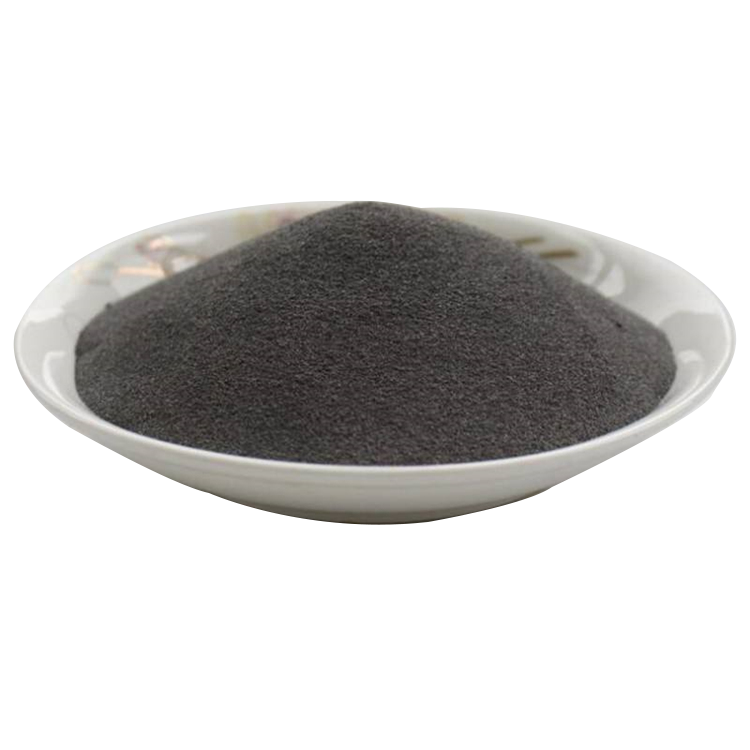
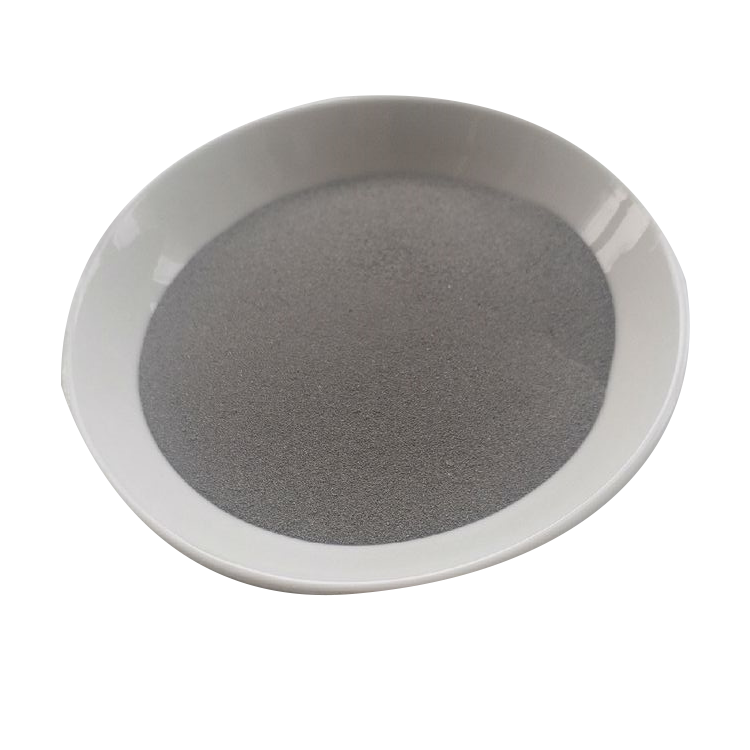
Lanthanum Oxide La2O3 CAS 1312-81-8 Spherical Powder
Properties
• Application: Research
• Molecular Weight: 325.82
• Melting Point: 2315°C (2590 K)
• Shape: particle
• Brand Name : Lonwin
• MOQ: 1KG
Products Usage
Lanthanum Oxide, also called Lanthana, high purity Lanthanum Oxide (99.99% to 99.999%) is applied in making special optical glasses to improves the alkali resistance of glass, and is used in La-Ce-Tb phosphors for fluorescent lamps and making special optical glasses, such as infrared-absorbing glass, as well as camera and telescope lenses, Low grade of Lanthanum Oxide is widely used in ceramics and FCC catalyst, and also as raw material for Lanthanum Metal production; Lanthanum Oxide is also used as a grain growth additive during the liquid phase sintering of Silicon Nitride and Zirconium Diboride. Lanthanum(III) oxide is used as a precursor to LAMOX fast ion conductors and superconductors. It is also used in the manufacture of optical glasses, piezoelectric and thermoelectric material. It is also useful for X-ray imaging intensifying screens, phosphors as well as dielectric and conductive ceramics. In addition, it is used as a catalyst to effect certain organic transformations. It is one of the active ingredients and finds application in thermoelectric and piezoelectric materials. Lanthanum (III) oxide was used as an analytical standard in inductively coupled plasma atomic emission spectrometry (ICP-AES) for chemical characterization of ancient pottery. Lanthanum oxide is used to make high-quality glass, ceramics, carbon-arc electrodes, and fluorescent lamps.
Packing:
Our normal packaging is 25kgs/Drum
The packaging can be customized. the shipping term can be by sea, by air, and sample or small quantity can be shipped by DHL, FEDEX, EMS and TNT.
Remark: Chemical composition and size can be optimized by the customers' requirements

Conditions for safe storage, including any incompatibilities
Separated from ammonia, strong hydrogen peroxide solutions and strong acids.
Safety Protection
Precautions for safe handling
Handling in a well ventilated place. Wear suitable protective clothing. Avoid contact with skin and eyes. Avoid formation of dust and aerosols. Use non-sparking tools. Prevent fire caused by electrostatic discharge steam.